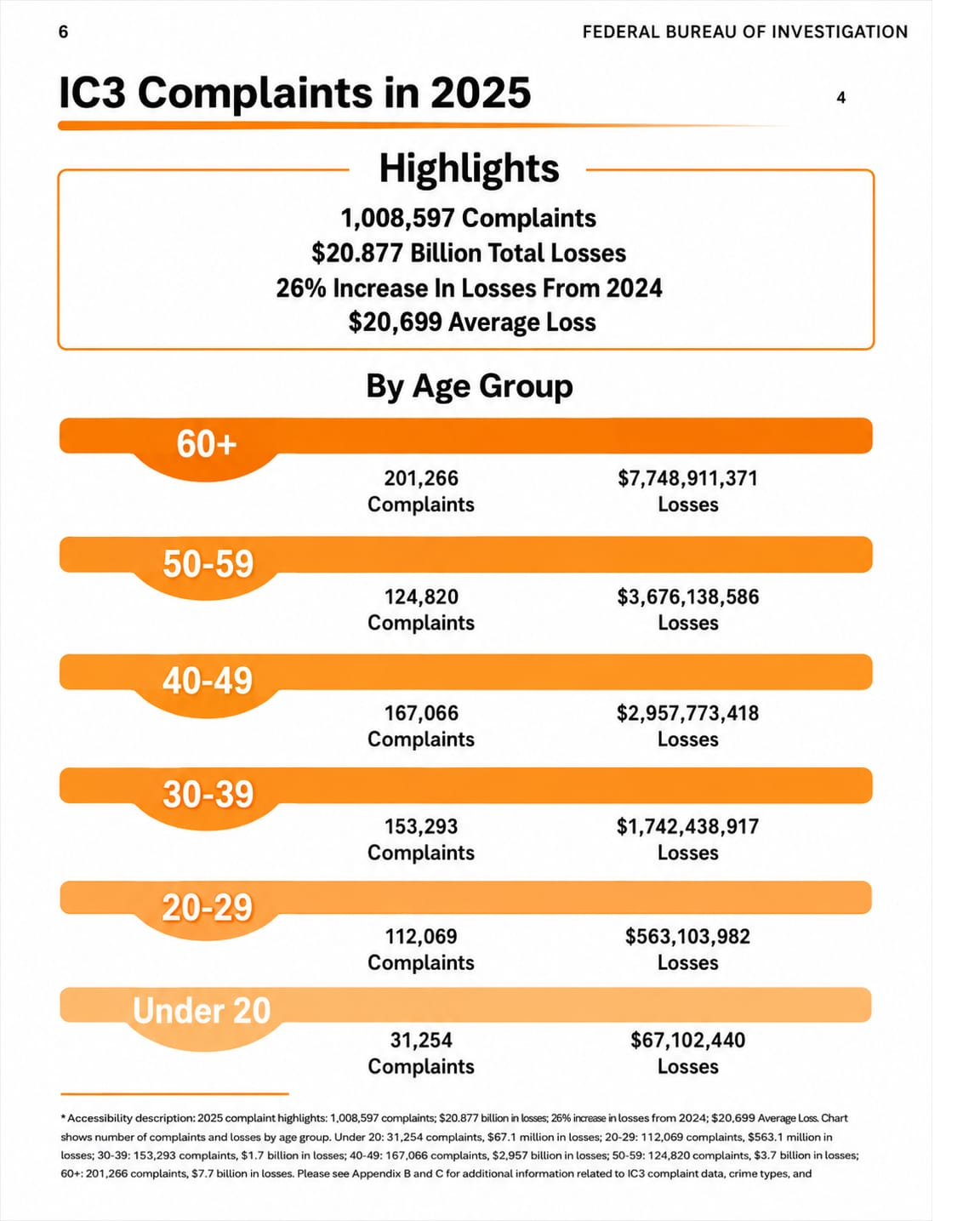
These are not rounding errors. This is an industry with infrastructure, management hierarchies, financial systems, and HR practices. The fact that it runs on human trafficking and coercion does not make it any less organised. If anything, it makes it more so
How the Compounds Are Built and Run
Hotels, office blocks, and casinos across Southeast Asia have been converted into scam compounds, fortified operational centres run by criminal networks with links to Chinese organised crime, generating billions of dollars annually from victims across the globe. Inside, the structure is closer to a corporate call centre than a criminal hideout.
Workers are divided into teams running specific fraud types: pig-butchering, romance scams, fake crypto investment platforms, task scams. There are daily quotas, performance targets, and shift supervisors. Scripts are provided. Results are monitored.
Evidence from the Shunda Park compound in Myanmar, reviewed by FBI agents after its seizure in November 2025, showed a Chinese-run, hierarchical operation in which trafficked workers were held against their will and threatened with violence if they failed to meet fraud targets. The operation is run like a business. Enforced like a prison.
Who Is Being Trafficked Into These Compounds
This is where the story becomes genuinely disturbing because the victims inside the compounds are not the profile most people would expect. Unlike traditional labour trafficking victims, these individuals are often young, urban, multilingual, and tech-savvy, lured from cities, not rural villages. Recruitment is sophisticated where fake job posts on platforms like LinkedIn promise customer service or IT roles, complete with interviews, visas, and flight arrangements.
Workers arrive from across the world including China, India, Taiwan, Vietnam, Ethiopia, Kenya, the Philippines and beyond. Once inside, their passports are confiscated. Movement is restricted. Only senior managers have freedom to come and go. When Myanmar’s KK Park compound was raided in early 2025, approximately 1,500 workers crossed into Thailand, including hundreds from India as well as citizens from China, the Philippines, Vietnam, Ethiopia, and Kenya. Educated, multilingual professionals who had applied for what they believed were legitimate technology jobs and found themselves in a compound with no way out.
The person running a romance scam against a victim in Ohio may themselves be a victim of trafficking in Myanmar. Both realities are true simultaneously, and that complexity is part of what makes this problem so difficult to address.
The Technology Stack Behind the Fraud
These operations are not running basic email scams. The technology deployed by scam compounds has evolved significantly, and the gap between what they’re using and what most individuals and businesses are protected against is narrowing fast. AI-generated personas maintain conversations with dozens of targets simultaneously. Deepfake video calls provide visual proof of an identity that doesn’t exist. Fake investment platforms show real-time portfolio returns; complete, functional interfaces designed to look exactly like legitimate financial products until the moment the money disappears.
The social engineering scripts are professionally developed and regularly updated based on what works. Underground banking systems and cryptocurrency mixing move the money out through multiple jurisdictions before it can be traced.
What does this mean practically? The barrier to falling victim to these scams is not a failure of intelligence. It is a failure of information. These are sophisticated, well-resourced operations targeting people who have no reason to expect the level of deception being deployed against them.
What the International Response Looks Like And Why It’s Struggling
Enforcement has accelerated significantly, and it is starting to have real impact.
In September 2025, the US Treasury sanctioned Myanmar‑ and Cambodia‑linked business networks and individuals alleged to be involved in billion‑dollar scam operations, explicitly linking their activities to human trafficking and online fraud.
In April 2026, the Justice Department’s Scam Center Strike Force announced charges against two Chinese nationals accused of managing the Shunda compound in Myanmar and trying to expand into Cambodia, alongside the seizure of at least 503 fake investment websites and more than $701 million in cryptocurrency tied to the schemes. These are meaningful steps. But the structural problem remains.
The compounds operate in jurisdictions where governance is either actively complicit or too weak to act consistently, and where US Trafficking in Persons Reports have repeatedly cited official complicity in trafficking and failures to investigate corrupt officials. When one compound is shut down, operations relocate. When one jurisdiction cracks down, the industry moves to the next border. The crackdowns are working at the margins. The industry remains adaptive, mobile, and deeply embedded in the political economy of the region
What This Means for Businesses and Investigators
For most businesses, the scam compound industry feels distant. It’s a problem for law enforcement, for governments, for international bodies. It is not, the thinking goes, something that needs to sit on a risk register. That thinking is increasingly wrong.
Scam compound operations are the operational engine behind the fastest-growing categories of financial fraud targeting businesses globally, pig-butchering schemes targeting high-net-worth individuals and executives, fake investment platforms targeting corporate treasury functions, romance fraud targeting employees with access to financial systems. The individuals running these schemes are not lone operators. They are employees of an industry.
For fraud investigators, tracing funds from these scams leads almost inevitably into cryptocurrency networks, underground banking systems, and jurisdictions with limited legal cooperation. The investigative challenges are significant, but the tools available like blockchain forensics, OSINT, cross-border intelligence networks are improving faster than the industry can adapt. For businesses, the risk extends beyond direct fraud exposure. Supply chain and counterparty risk from entities unknowingly connected to scam compound networks is a real and underassessed threat. Due diligence frameworks that don’t account for this specific threat are operating with a blind spot.
Understanding the threat specifically, structurally, at the level of how it actually operates, is the first step to building defences that actually work.
Both Victims and Perpetrators
The scam compound industry is not a cybercrime problem. It is a human trafficking problem, a corruption problem, a geopolitical problem, and a financial crime problem, all operating simultaneously, at industrial scale, with a financial infrastructure sophisticated enough to challenge the most advanced investigative capabilities in the world.
The UN Human Rights Office has stressed that many workers in these operations are victims coerced into “forced criminality,” misidentified as criminals or immigration offenders despite evidence of beatings, torture, and sexual violence.
The message that felt personal was written by someone who had no choice but to send it. Understanding that does not make the fraud any less damaging. But it does fundamentally change what kind of problem this is, and what kind of response it actually requires.