
The Quiet Room That Saved a Company Millions
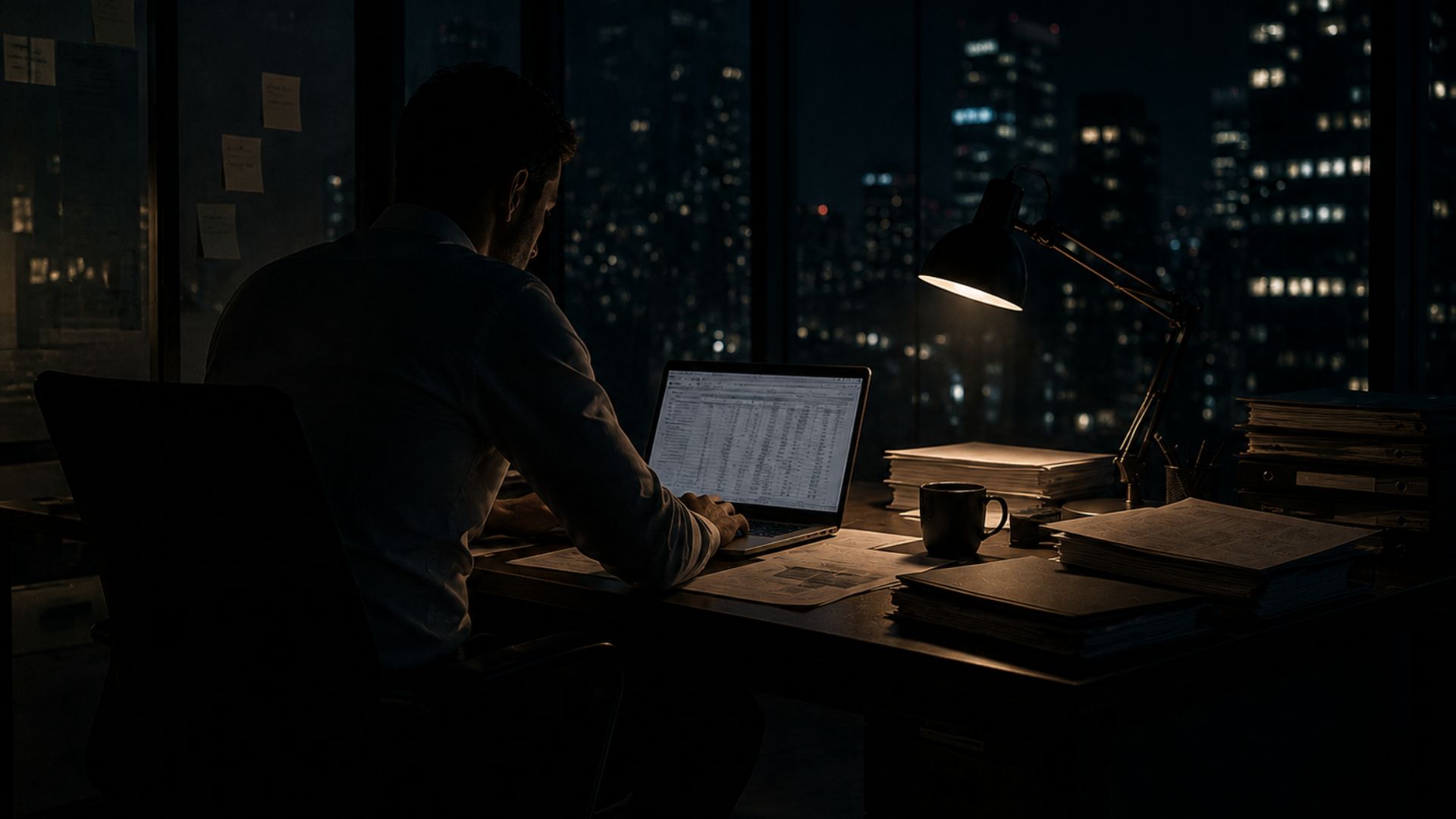
In 2018, a Midtown Manhattan leader stared at his laptop screen in shock. His trusted CFO had been accused of stealing $2 million from the company. The CFO denied everything. He had defenses and excuses. But the money was gone and trust was broken. No hard proof existed yet. Then, they turned to a polygraph test. In a quiet room, sensors tracked the CFO’s body signals. Simple questions came first. Then the tough ones. Spikes in his heart rate and sweat gave him away. He confessed soon after. This case shows how polygraph tests can cut through lies and bring clarity. They use basic science to spot stress from hiding the truth.
What is a polygraph and how does it work?
In simple terms, a polygraph is a lie detector machine. It does not read minds. Instead, it watches your body’s natural reactions. Think of it like this- when you lie, your body often gets stressed. Your heart beats faster. You breathe differently. You sweat more. The machine measures these changes.
Here’s how a test goes step by step. First, the examiner talks to you. This is the pre-test chat. They learn about the case and pick good questions. Next, they hook you up to sensors. Bands go around your chest and arm. A cuff checks blood pressure. Fingers get small clips for sweat. You sit still for 2 to 4 hours total.
They ask control questions everyone might tell a white lie about, like “Have you ever stolen a pen from work?” These set a baseline. Then come the real questions, like “Did you take the money?” The machine draws charts of your reactions. Truth stays steady. Lies often cause jumps. A trained examiner looks at the whole picture, not just one blip. Accuracy is about 85% to 95% when done right.
When do polygraph tests help most?
Polygraphs work best in fuzzy situations. Say a spouse suspects cheating. No photos or texts prove it. A test can check if they are hiding something. In business, use them for theft or leaks. An employee swears they did not share secrets. The test might show stress on key questions.
They also fit pre-job checks for jobs with big trust, like bank tellers or guards. For private fixes, they speed things up. No need for long fights. Just facts to guide choices.
Picture a small firm quietly losing cash. The owner tests staff one by one, and when one fails hard on the question “Did you take the deposits?”, they confess and pay back most of it, which means, problem solved fast. In a corporate office, a manager suspects a team lead of leaking client data; the polygraph shows steady responses, confirming loyalty and letting the team refocus. Or during a merger, executives test key players on non-compete adherence, uncovering one hidden side deal that averts a multimillion-dollar lawsuit. Either way, these tools save time, cash and pain.
When do polygraph tests help most?
Examiners use modern machines. They are computerized, not old ink pens. Screens show live data. This spots tricks better. Some try to beat it by biting their lip or thinking of scary stuff. Pros watch for that. They check if you move too much or tense up.
They add eye checks and voice tone. Does your story match your calm? Behavioral signs fill gaps. Alone, polygraphs give clues. Paired with phone records or camera footage, they build strong cases. Think layers of proof, like bricks in a wall.
Accuracy and Success of Polygraph Tests
Polygraphs are not just tools for corporate or personal disputes, they have a strong track record in crime detection. Studies and law enforcement reports show that when administered by certified examiners, polygraphs achieve accuracy rates of 85% to 95% in detecting deception, complementing traditional investigative methods. In cases of theft, fraud, or internal misconduct, results often guide confessions, corroborate evidence, or narrow suspect lists.
Law enforcement agencies especially in North America, including the FBI and major police departments, have successfully used polygraphs to solve cases ranging from financial crimes to missing persons, with many investigations relying on polygraph findings as a pivotal piece of the puzzle. While polygraphs alone don’t guarantee convictions, combined with surveillance, forensic analysis, and witness testimony, they significantly improve investigative efficiency and case outcomes.
In short, North American experience demonstrates that polygraphs remain a reliable, scientifically grounded tool, particularly when used alongside traditional evidence, making them valuable in both corporate and criminal contexts.
CAT Investigators' Polygraph Expertise
Firms like CAT Investigators in Midtown Manhattan bring this science to life with certified examiners using top-tier, computerized polygraph systems. Their decade-plus experience handles corporate cases discreetly, from theft probes to pre-employment screens, delivering same-day verbal results and detailed reports. Paired with surveillance or digital forensics, it creates solid, actionable insights without the spotlight.
Myths people believe about polygraphs
Lots of wrong ideas about polygraphs float around. Let’s clear them up with facts.
- Myth 1: They catch every lie 100%. No way. They spot stress, not lies. Scared truth-tellers might spike. Sick people or pros at calm can skew it. That’s why experts review everything.
- Myth 2: You can always trick them. Wrong. Old tricks like foot clenching fail on new gear. Machines and eyes catch it. Results get tossed if you try.
- Myth 3: Only cops use them. Not true. Most tests happen in offices or homes. Businesses check hires. It’s everyday people, not just crime shows.
Why polygraphs still matter in 2025
Tech changes fast. AI chats and deepfakes fool eyes. But body signals don’t lie as easily. Polygraphs stay simple and human. No app beats your pulse. Courts might skip them, but boards, HR and families rely on them.
Real Talk: Should You Try One?
Doubt eating you? Weigh it. Polygraphs shine when proof is thin. They calm fears or spark action. Always pick certified folks. Combine with basics: talk openly, check facts, watch actions. Truth builds strong ties, no matter where.
In a world of spin, polygraphs offer plain truth. Simple tools for complex lives. Next time suspicion hits, know your options. Clarity waits.
FAQs
What is a polygraph test?
A polygraph, or lie detector, measures body reactions like heart rate, breathing, blood pressure, and sweat during questions. It spots stress spikes that might signal deception, using simple sensors in a 2-4 hour session.
How accurate are polygraph tests?
They hit 85-95% accuracy in skilled hands by comparing reactions to baseline questions. No perfect tool, but strong when paired with other evidence like records or footage.
Can you beat a polygraph test?
Tricks like tensing muscles or mental distractions often fail. Modern machines and trained examiners detect evasion, tossing suspicious results.
How long does a polygraph exam take?
Expect 2-4 hours total: pre-test chat to set questions, sensor hookup, testing, and review. Verbal results come the same-day; reports follow soon.
What types of cases use polygraphs?
Common in theft probes, data leaks, pre-employment vetting, mergers, or partnership disputes. Anywhere hard proof is thin but trust is key.
Do polygraphs work for corporate investigations?
Yes, like testing staff on missing cash or execs on side deals. They speed resolutions, recover funds, and rebuild teams without public drama.
How do firms like CAT Investigators use polygraphs?
They deploy certified pros polygraph examiner with advanced gear for discreet NYC sessions, blending tests with surveillance for full-case clarity in business matters.