

The Hong Kong-founded cryptocurrency exchange has begun an orderly wind-down, with trading ending this month and customer withdrawals available until 22 December 2026.
CoinEx has announced it will cease operations after nearly nine years, citing a prolonged crypto-market downturn, lower trading volumes and liquidity, and escalating regulatory and compliance costs across major jurisdictions. The exchange began its staged closure on 15 September and plans to end all platform operations on 22 December 2026.
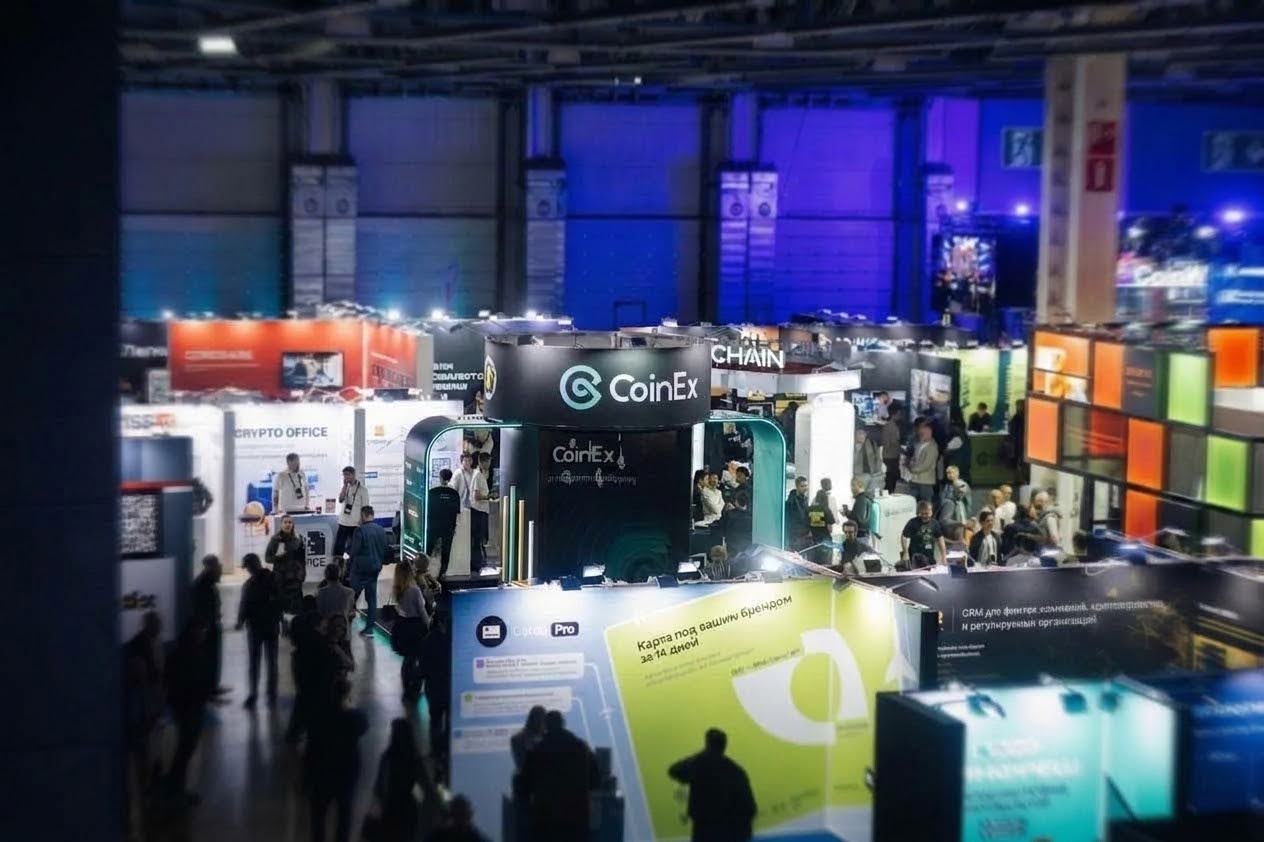
The development is more than another exchange closure. It offers a practical case study in how market fragmentation, operating costs and regulatory pressure can collectively challenge even an established global trading venue.
Closure timeline
CoinEx has divided the shutdown into several operational phases. New user registrations and referral rewards stopped on 15 September, while futures trading shifted to reduce-only mode, preventing users from opening new positions.
| Date | Planned action |
|---|---|
| Sep 15, 2026 | Halted account creation and referral incentives; set futures positions to reduce-only status. |
| Sep 22, 2026 | Terminated leverage, lending, staking, Earn, and derivatives products; deactivated majority of deposit addresses. |
| Sep 29, 2026 | Concluded spot market trading; initiated sunsetting of CoinEx Smart Chain alongside OneSwap. |
| Dec 22, 2026 | Final deadline for asset redemptions, marking full operational termination for the venue. |
According to platform statements, client redemptions will close at 02:00 UTC on 22 December. This cut-off represents the primary milestone for clients, counterparties, and analytical teams managing asset balances or transactional exposure tied to CoinEx.
Iranian entities and IRGC connections
TRM Labs released findings in June 2026 detailing over $3.84 billion in historical transfers connecting CoinEx, sanctioned Iranian organizations, and more than 60 regional exchanges over a seven-year span. Roughly $2.7 billion of these transfers were attributed to Nobitex, the primary digital asset exchange operating in Iran.
The analysis also revealed direct on-chain links between CoinEx and addresses associated with the Islamic Revolutionary Guard Corps, amounting to nearly $6 million. Furthermore, TRM documented roughly $374,000 in direct activity related to Palestinian Islamic Jihad, alongside transactional ties to Hezbollah-linked entities. While these metrics illustrate on-chain capital movements, they do not constitute definitive proof that CoinEx deliberately executed these transfers or maintained formal business partnerships with the involved parties.
This distinction remains paramount. Public ledger metrics demonstrate transfer paths and structural proximity; however, establishing explicit awareness, intent, operational custody, or formal regulatory non-compliance necessitates supplementary evidence, such as internal compliance logs, user registration records, corporate ownership structures, and official investigative conclusions.
Sanctions enforcement on Nobitex
The U.S. Treasury’s Office of Foreign Assets Control designated Nobitex on 2 June 2026, alongside regional platforms Wallex, BitPin, and Ramzinex. Regulatory authorities stated that Nobitex provided substantial support to the IRGC, maintained operations within the Iranian banking framework, and enabled transactions linked to sanctions circumvention, illicit financing, and cyber-extortion campaigns tied to the IRGC.
Following the OFAC action, TRM observed that capital movements between CoinEx and Iranian services declined below $150,000. For its part, CoinEx denied any corporate affiliation with state-linked Iranian actors or local trading venues, adding that it halted registration for clients based in Iran following the regulatory updates.
Compliance takeaways
The operational termination of CoinEx underscores that regulatory liabilities extend far past direct transfers involving designated addresses. Compliance hazards frequently traverse local trading venues, over-the-counter desks, layered protocols, unhosted wallets, and cross-chain bridges prior to interacting with international platforms.
For virtual asset service providers, the critical challenge lies in whether automated monitoring frameworks detect secondary transactional proximity rapidly enough to initiate heightened scrutiny, profile limitations, regulatory disclosures, or client offboarding.
While official company statements highlight macro headwinds and operating expenses, the Iranian capital flows demonstrate how unaddressed sanctions exposure can escalate into severe reputational, financial, and organizational liabilities absent formal administrative penalties.